
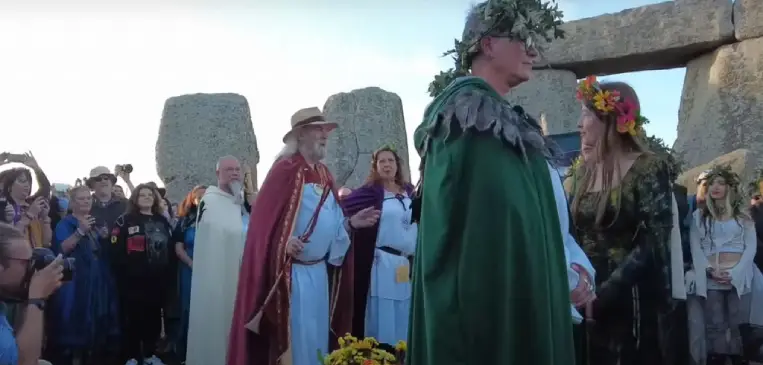


The solstice has been observed for thousands of years and marks a powerful turning point in the natural calendar. At Stonehenge, the summer solstice and winter solstice are especially significant, with the monument famously aligned to the movement of the sun.
Each year, visitors from around the world come to Stonehenge to witness the solstice and connect with one of the oldest seasonal traditions in human history. This is one of the few occasions where visitors to are able to walk amongst and touch the stones at Stonehenge.
Solstice Dates in 2026
| Solstice | Date | Time (approx. UK) | Description |
| Summer Solstice | Sunday 21st June 2026 | 9:24 AM | Longest day and shortest night of the year (astronomical summer begins) |
| Winter Solstice | Monday 21st December 2026 | 8:50 PM | Shortest day and longest night of the year (astronomical winter begins) |
Organised Trip To Summer Solstice from London

Adults: £135 Child: £125
A unique experience of Solstice at Stonehenge…
Summer Solstice Stonehenge Tour
What Is a Solstice?
A solstice occurs twice a year when the sun reaches its highest or lowest point in the sky at noon.
There are two solstices:
- The summer solstice, which brings the longest day of the year
- The winter solstice, which marks the shortest day of the year
The word “solstice” comes from Latin, meaning “sun standing still”, reflecting the moment when the sun appears to pause before reversing direction in the sky.
Why Is Stonehenge Linked to the Solstice?
Stonehenge is one of the most famous solstice monuments in the world. The stones are carefully positioned to align with the rising and setting sun at key points in the year.
- At the summer solstice, the sun rises behind the Heel Stone and shines into the centre of the stone circle
- At the winter solstice, the sun sets in alignment with the central axis of the monument
These alignments suggest Stonehenge was designed, at least in part, to mark the solstice and track the changing seasons.
The Summer Solstice 2026 at Stonehenge
What Is the Summer Solstice?
The summer solstice occurs around 20–21 June and is the longest day of the year in the Northern Hemisphere. It has been celebrated by ancient cultures as a time of light, growth, and renewal.
Why Is the Summer Solstice Important at Stonehenge?
Stonehenge is most closely associated with the summer solstice sunrise. As the sun rises, it appears directly above the Heel Stone, creating a dramatic and symbolic moment that has drawn people to the site for centuries.
Today, the summer solstice is the most popular solstice event at Stonehenge, attracting thousands of visitors, druids, pagans, and spiritual groups.
What Happens During the Summer Solstice?
- Visitors are often allowed managed access closer to the stones
- People gather overnight to watch the sunrise
- Celebrations range from quiet reflection to music and ritual
The atmosphere is unique and very different from a normal daytime visit.
Interested in day tours from London to Stonehenge?
Skip the line and save money!
The Winter Solstice at Stonehenge
What Is the Winter Solstice?
The winter solstice takes place around 21–22 December and marks the shortest day and longest night of the year.
Historically, the winter solstice was often more important than the summer solstice, symbolising rebirth and the return of longer days.
Why the Winter Solstice May Have Been More Important
Many archaeologists believe the winter solstice sunset was especially significant to the builders of Stonehenge. Evidence suggests that large gatherings and feasts took place nearby during midwinter.
Unlike the crowded summer solstice, the winter solstice tends to be:
- Quieter
- More reflective
- More closely aligned with ancient ritual practices
Summer Solstice vs Winter Solstice at Stonehenge
Key differences
Summer Solstice
- Longest day of the year
- Sunrise alignment
- Large crowds
- Festival-like atmosphere
Winter Solstice
- Shortest day of the year
- Sunset alignment
- Smaller gatherings
- Calm, ceremonial feel
Both solstices offer powerful experiences, but they appeal to very different types of visitors.
Frequently Asked Questions About Solstice
The solstice is the moment when the sun reaches its highest or lowest point in the sky, creating the longest or shortest day of the year.
The summer solstice for 2026 occurs on Sunday 21st June 2026 at approx. 9:24AM BST – this will be the longest day and shortest night of the year.
The winter solstice usually falls on Monday 21st December 2026 – this is the shortest day and longest night of the year.
Stonehenge is aligned with the rising sun at the summer solstice and the setting sun at the winter solstice, suggesting it was designed to mark these seasonal events.
During official solstice events, managed access closer to the stones is sometimes allowed, but this varies each year.
Solstice events are typically free, but access is controlled and advance planning is recommended.
Organised Stonehenge tours you might be interested in…
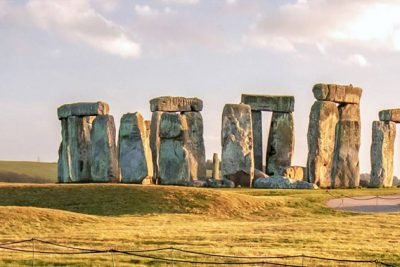
Adults: £58 Child: £55
Our popular half-day tour…
Direct Stonehenge Express Tour from London

Adults: £94 Child: £85
Two of our most popular destinations in one tour…
Stonehenge and Bath Tour

Adults: £85 Child: £79