
Stonehenge Solstice guide
Stonehenge Summer Solstice 2026, Winter Solstice and Solstice Tours
Plan your visit to Stonehenge for the solstice, including 2026 dates, sunrise and sunset times, Stone Circle access, parking, travel from London and organised Solstice tour options.
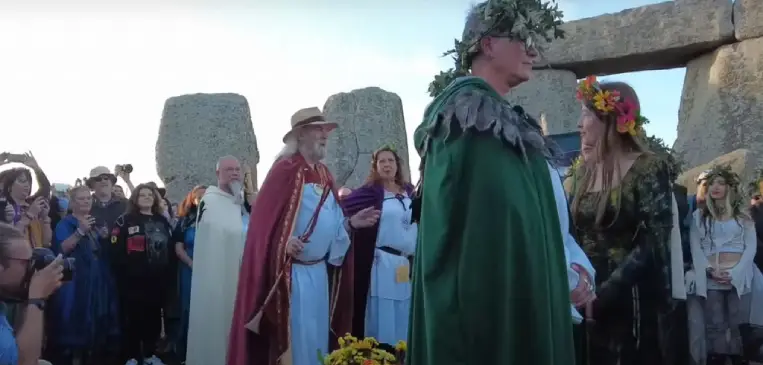
The main Stonehenge gathering is focused on sunset, the overnight vigil and sunrise.
The sunrise is the key moment most visitors travel to Stonehenge to experience.
Winter Solstice is quieter and centred on the sunset alignment at Stonehenge.
Solstice dates at Stonehenge in 2026
The solstice marks a turning point in the natural calendar. At Stonehenge, both the summer solstice and winter solstice are especially significant because the monument is aligned with the movement of the sun.
| Solstice | Date | Key Stonehenge moment | Visitor note |
|---|---|---|---|
| Summer Solstice 2026 | Saturday 20 June to Sunday 21 June 2026 | Sunset approx. 21:26 on Saturday; sunrise approx. 04:52 on Sunday | The 2026 Summer Solstice gathering has now taken place. |
| Winter Solstice 2026 | Monday 21 December 2026 | Astronomical solstice approx. 20:50 UK time | Open access and final event details should be checked nearer the time. |
The Summer Solstice 2026 at Stonehenge
The summer solstice occurs around 20-21 June and is the longest day of the year in the Northern Hemisphere. It has been celebrated by ancient cultures as a time of light, growth and renewal.
Stonehenge is most closely associated with the summer solstice sunrise. As the sun rises, it appears above the Heel Stone, creating a dramatic moment that has drawn people to the site for centuries.
Each year, visitors from around the world come to Stonehenge to witness the solstice and connect with one of the oldest seasonal traditions in human history. The atmosphere is very different from a normal daytime visit, with visitors gathering overnight before sunrise.

What happens at Summer Solstice?
Visitors gather overnight to watch the sunrise. Celebrations can include quiet reflection, music, ceremony and a festival-like atmosphere around the monument.
Can you go inside the Stone Circle?
Solstice is one of the unusual times when managed access closer to the stones may be available, but conditions and access rules can vary each year.
What should you expect?
Expect crowds, open-air conditions, walking on uneven ground and a long overnight visit. Sensible footwear, warm layers and a torch are strongly recommended.
Stonehenge Solstice tickets, parking and access
Solstice access is different from a standard Stonehenge visit. Standard Stonehenge tickets, Solstice open access, parking and organised tours are separate things, so check the details carefully before travelling.
Is Stonehenge Solstice ticketed?
The official Solstice gathering has historically involved managed open access, but access rules can change. Standard daytime Stonehenge tickets are a different product.
Compare Stonehenge ticketsCan you park at Stonehenge for Solstice?
Solstice parking is controlled separately and can sell out. If you do not have valid parking, travel via Salisbury and use local public transport where available.
Stonehenge parking guideCan you visit from London?
Yes. Travelling independently usually means train or coach travel to Salisbury and onward local transport. An organised tour is usually simpler if you are starting in London.
View Solstice tour from London
Summer Solstice Stonehenge Tour
Choose an organised Stonehenge Solstice tour if you want a simpler way to travel from London for this unusual seasonal experience. The tour is designed around the atmosphere of Solstice at Stonehenge rather than a standard daytime visit.
- Designed for visitors who want a rare Solstice experience at Stonehenge
- Useful if you do not want to arrange late-night or early-morning transport yourself
- Best booked early because seasonal availability is limited
- Check the booking page for live dates, inclusions, cancellation terms and current prices

The Winter Solstice at Stonehenge
The winter solstice takes place around 21-22 December and marks the shortest day and longest night of the year. Historically, the winter solstice may have been especially important to the people who used the Stonehenge landscape.
Many archaeologists believe the winter solstice sunset was significant to the builders of Stonehenge. Evidence suggests that large gatherings and feasts took place nearby during midwinter.
Unlike the crowded summer solstice, the winter solstice tends to be quieter, more reflective and more focused on the sunset alignment.
Summer Solstice vs Winter Solstice at Stonehenge
Both solstices offer powerful experiences, but they appeal to different types of visitors.
| Feature | Summer Solstice | Winter Solstice |
|---|---|---|
| Main alignment | Sunrise | Sunset |
| Atmosphere | Large, busy and festival-like | Quieter, colder and more reflective |
| Visitor focus | Overnight gathering and early sunrise | Short day and midwinter sunset |
| Best for | First-time Solstice visitors and photographers | Visitors interested in history, ritual and a calmer atmosphere |
What is a solstice?
A solstice occurs twice a year when the sun reaches its highest or lowest point in the sky. The word “solstice” comes from Latin and means “sun standing still”, reflecting the moment when the sun appears to pause before reversing direction in the sky.
Summer Solstice
The summer solstice brings the longest day and shortest night of the year. At Stonehenge, it is associated with sunrise over the Heel Stone.
Winter Solstice
The winter solstice marks the shortest day and longest night of the year. At Stonehenge, it is associated with the setting sun and the central axis of the monument.
Why Stonehenge matters
Stonehenge is one of the most famous solstice monuments in the world, carefully positioned to align with the rising and setting sun at key points in the year.
Other Stonehenge tours you may want to compare
If Solstice dates do not work for your trip, these regular Stonehenge tours from London may be easier to book.

Stonehenge Day Trip from London
A direct half-day Stonehenge visit with return coach travel from London.
View day trip
Stonehenge and Bath Tour
Combine Stonehenge with time in Bath, one of England’s most attractive historic cities.
View Stonehenge and Bath
Windsor, Stonehenge and Bath Tour
A full-day itinerary combining Windsor, Stonehenge and Bath from London.
View Windsor, Stonehenge and BathStonehenge Solstice FAQs
Quick answers to the questions people usually ask before travelling to Stonehenge for Summer or Winter Solstice.
When is the Summer Solstice 2026?
The 2026 Summer Solstice at Stonehenge was focused on the evening of Saturday 20 June and the sunrise on Sunday 21 June 2026. The sunrise at Stonehenge was approximately 04:52.
What time is sunrise at Stonehenge Summer Solstice 2026?
Sunrise at Stonehenge for Summer Solstice 2026 was approximately 04:52 on Sunday 21 June. Visitors usually arrive much earlier because the event includes an overnight gathering.
Is Stonehenge Summer Solstice free?
The official Solstice gathering has historically involved managed open access, but travel, parking and tours are separate. Always check the latest official access information before travelling.
Do you need tickets for Stonehenge Summer Solstice?
Standard Stonehenge admission tickets are different from Solstice open access and organised tour tickets. If you book an organised Solstice tour, check exactly what transport, timing and access are included.
Can you touch the stones at Stonehenge during Solstice?
Solstice is one of the few occasions when visitors may be able to get closer to the stones, but the monument is protected. Do not climb on the stones, and follow the official conditions of entry on the day.
Can you park at Stonehenge for Solstice?
Solstice parking is controlled and can sell out. If you do not have valid parking, use public transport options via Salisbury where available rather than attempting to park nearby.
When is the Winter Solstice 2026 at Stonehenge?
The Winter Solstice is on Monday 21 December 2026, with the astronomical solstice around 20:50 UK time. Final Stonehenge visitor access details should be checked nearer the date.
What is the difference between Summer and Winter Solstice at Stonehenge?
Summer Solstice is focused on sunrise and usually attracts larger crowds. Winter Solstice is focused on sunset and is usually quieter, colder and more reflective.
Planning a Stonehenge Solstice visit?
Compare Solstice tour options if you want transport handled for you, or use the ticket and parking guides if you are planning your own visit.